Tsubasa
Field vision: reading the game before others and turning distributed talent into a shared direction.

Tsubasa builds AI systems and automations for companies with talent, data and ambition that need to move the ball into the net. We read the field, open passing lanes, finish the work and defend the result with continuous controls.
Design your play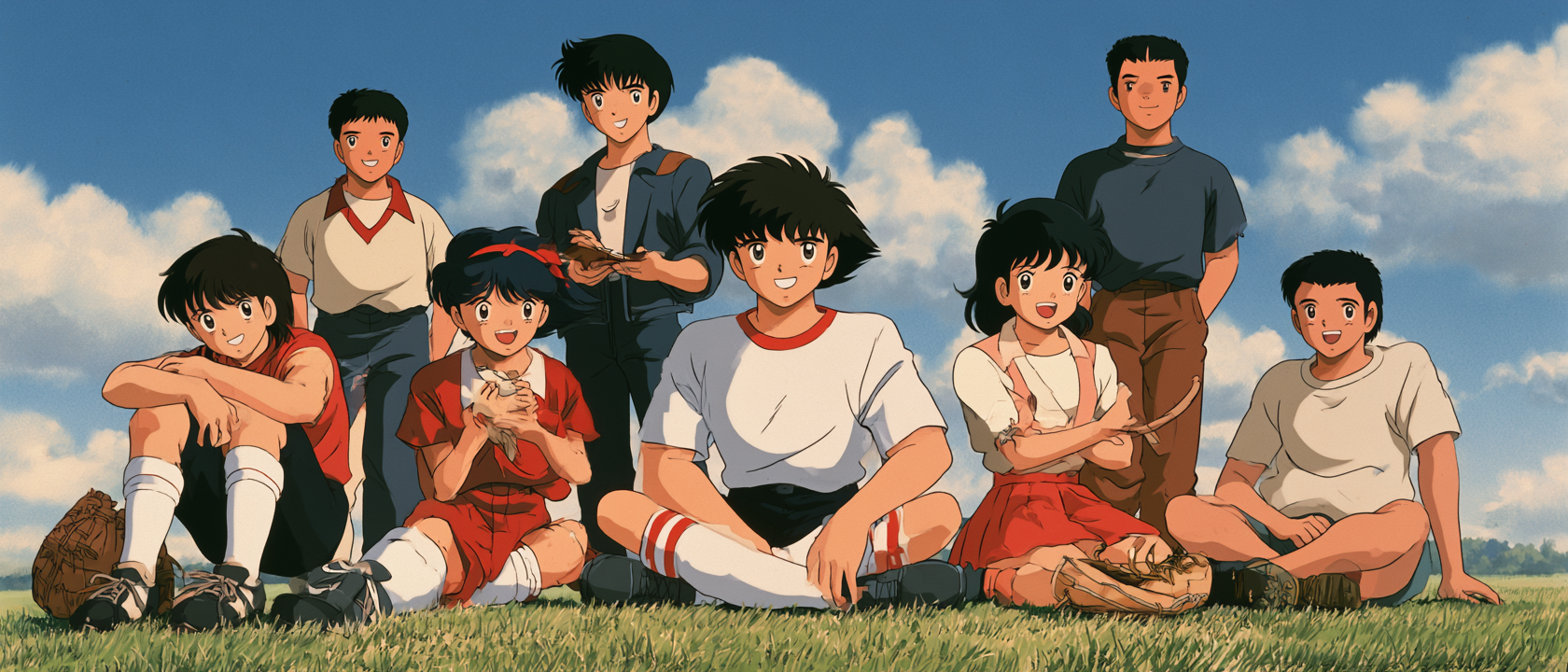
Tsubasa was born to turn ideas, processes and data into organized play. We do not sell man-hours or decks: we build systems that read context, prepare the play, coordinate people and AI agents, and carry the work through to a measurable result.
As children, that animated story made the impossible feel possible: endless fields, unlikely shots, fierce friendships and rivalries that raised everybody's level. It was not just football. It was the idea that imagination, discipline and team play could turn a dream into action.
AI now creates the same kind of leap: it lets companies build in weeks things that only a few years ago felt out of reach because of budget, time or complexity. Tsubasa is how we bring that feeling into B2B: helping clients quickly build what used to remain a wish, a backlog item or a presentation.
Field vision: reading the game before others and turning distributed talent into a shared direction.
Determination: entering hard problems without softening them and carrying the play through to the result.
Control: protecting data, quality, privacy and reliability while the system accelerates.
Assist: building clean passes between people, processes and AI agents without chasing the spotlight.
Practical courage: doing the less elegant but decisive work when the play has to be saved.
Selective intelligence: using energy, time and priorities well, because not every run creates value.
Every project is read like a match: field, team, space, action, result. Technology matters only when it improves the play.
Before automating, we understand where space really opens up: available data, constraints, customers, margins, risks and operating opportunities.
We connect processes, data, content, CRM and people into an executable flow. The value is not the agent by itself: it is the right pass at the right moment.
The client remains the protagonist. Tsubasa works behind the scenes: preparing analysis, documents, automations and follow-ups so the team can finish the play.
Every cycle must end with something people use: code, process, content, report, pipeline or production control. No initiatives stuck in midfield.
We monitor quality, privacy, consistency and risk. An AI system is worth something only when it accelerates without exposing the company to avoidable mistakes.
We do not replace the best people: we remove friction around them. AI agents prepare, check, coordinate and accelerate, while the human team decides the plays that matter.


Commercial work is not a burst of messages. It is a sequence: understand the market, prepare the right asset, open the lane and carry the opportunity to the next pass.



Tsubasa works when the other side has a team willing to decide, measure and ship things to production.


We start from a real case: read the field, choose the first useful action and build the minimum system to put it in production.